Zootown Hedgehogs

USDA Licensed
Located in Missoula MT
Established 2014

USDA Licensed
Located in Missoula MT
Established 2014
Feeding your hedgehog
Many aspects of hedgehog nutrition—such as precise vitamin and mineral requirements—have not yet been fully established through scientific research. Because of this, some nutritional recommendations remain uncertain. However, other aspects of hedgehog diet and metabolism are well understood and supported by available research in zoological medicine, wildlife biology, and comparative nutrition.
Unfortunately, there is a great deal of misleading information online regarding hedgehog diets. By understanding the science behind how hedgehogs process and use nutrients, you can make informed, responsible feeding choices that support long-term health rather than relying on anecdotal advice.
Obesity and Diet Management
Hedgehogs are highly prone to obesity in captivity, largely due to limited activity and access to calorie-dense foods. Obesity significantly increases the risk of serious health issues, including fatty liver disease, joint problems, cardiovascular strain, and reduced lifespan. For this reason, portion control and proper nutrient balance are essential.
Protein and Fat Requirements
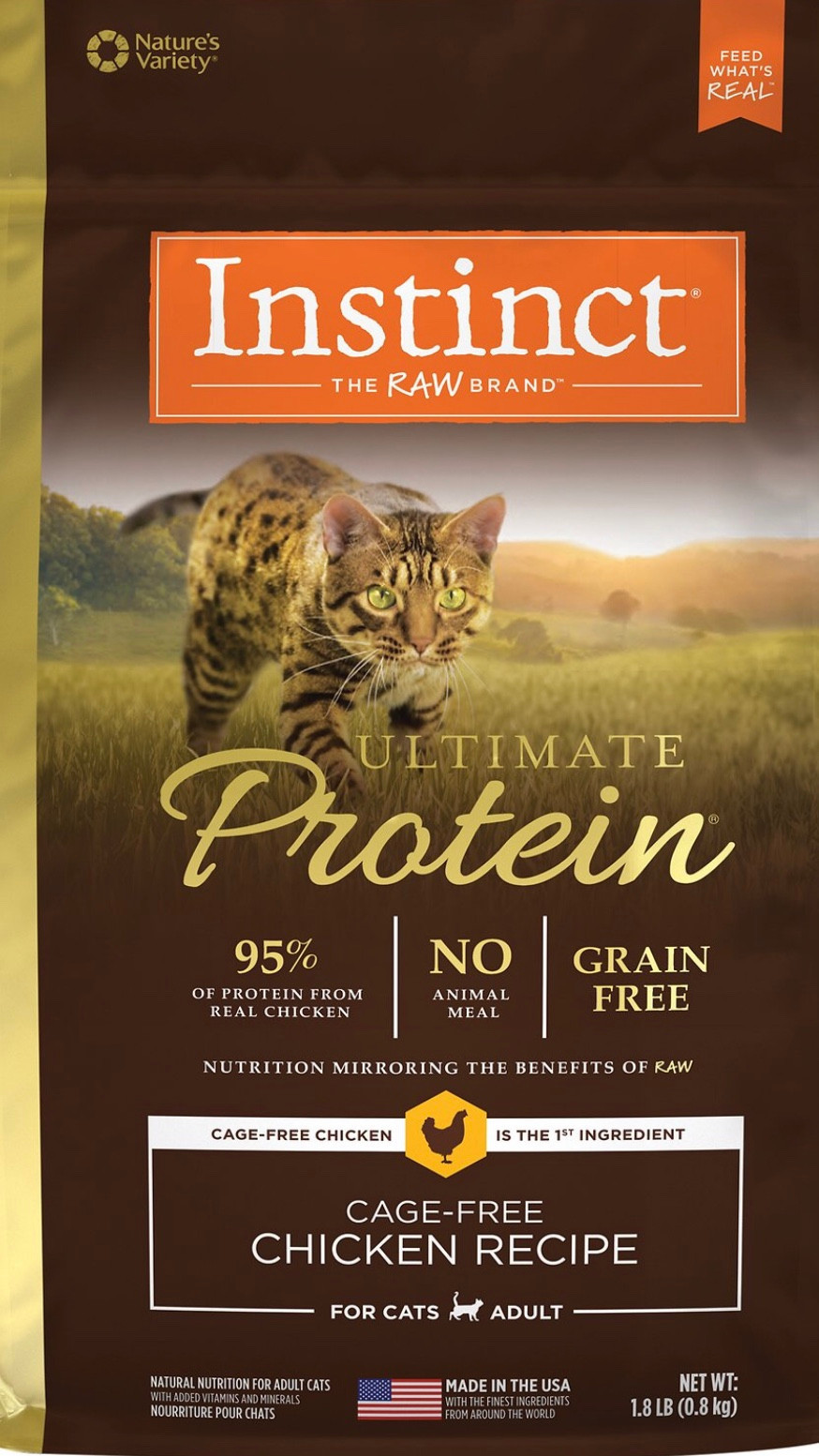
Captive hedgehog diets based on nutritionally balanced, meat-based cat food have been shown to be appropriate when formulated correctly.
Recommended nutrient ranges (dry matter basis):
Protein: 30%–50%
Fat: 15%–20%
These levels closely reflect the hedgehog’s natural insectivorous diet, which is high in animal protein and moderate in fat. Diets that fall outside these ranges may contribute to obesity, muscle loss, or metabolic stress.
Phosphorus, Calcium, and Kidney Health
Cat foods containing peas or pea fiber are not recommended for hedgehogs. Peas are naturally high in phosphorus, and excessive dietary phosphorus can:
Interfere with calcium absorption, weakening bones
Disrupt proper calcium-to-phosphorus balance
Increase strain on the kidneys and contribute to kidney damage
For these reasons, diets high in plant-based protein sources—particularly peas—should be avoided.
Recommended Staple Diets
Based on ingredient quality and nutrient balance, we recommend the following staple diets:
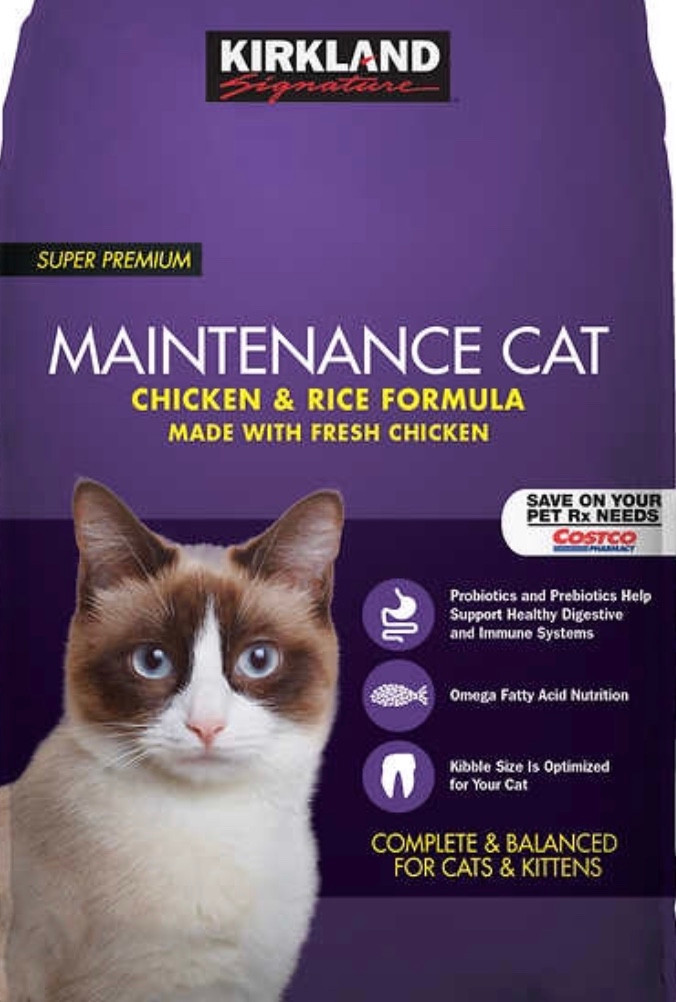
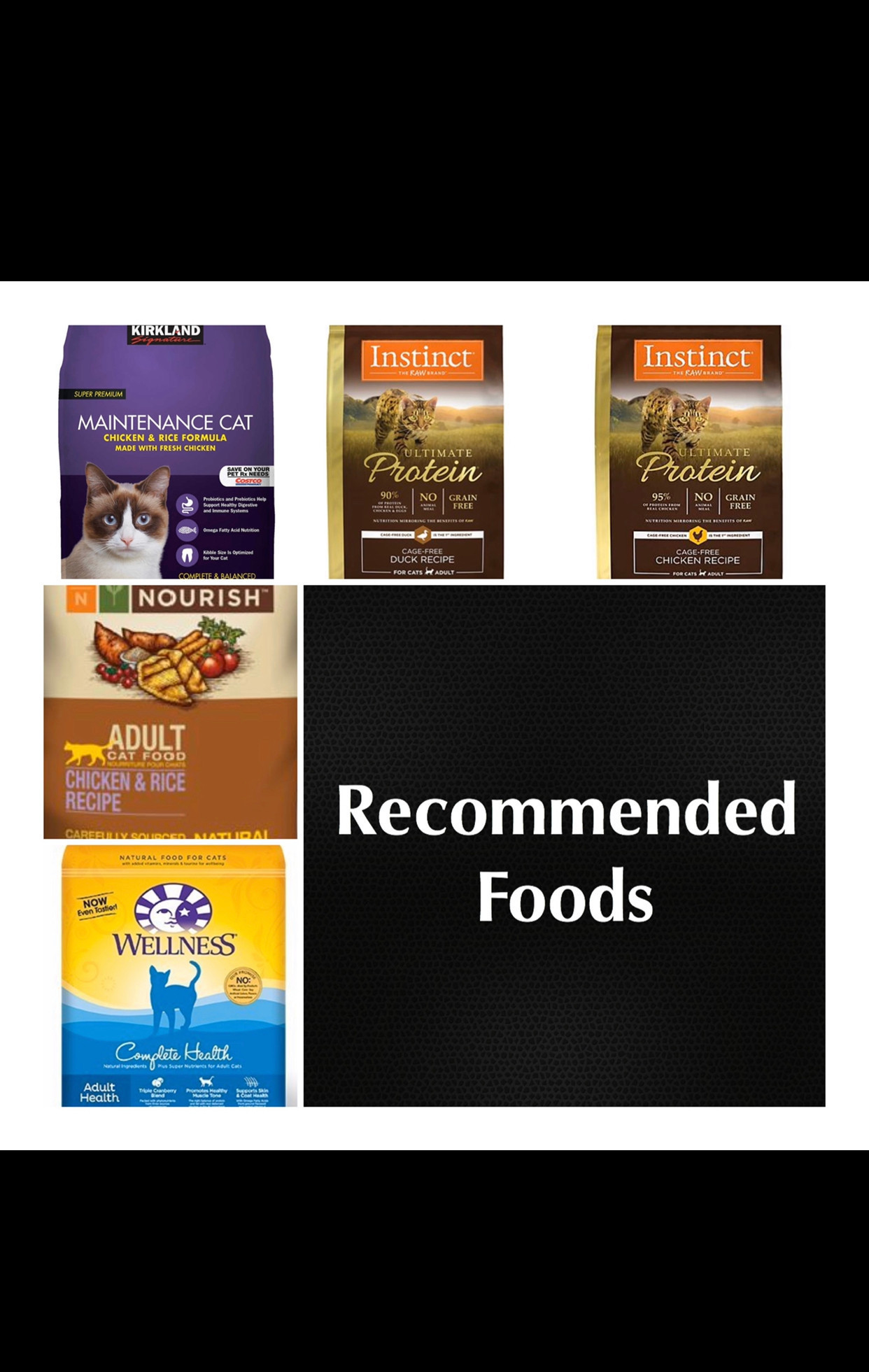
Kirkland All Stages or Maintenance Cat Food (available at Costco)
Our house food mix combined with Spike’s Ultra (available for shipping)
These options provide appropriate protein levels, controlled fat content, and avoid excessive plant-based phosphorus sources.
Diets We No Longer Recommend
We previously recommended:
Wellness Complete Health “Healthy Weight” (purple and yellow bag)
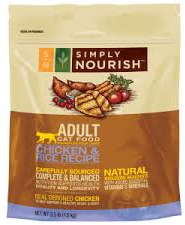
Simply Nourish Adult Chicken & Rice (PetSmart)
While these foods are not inherently harmful, they contain higher levels of plant matter than is ideal for long-term hedgehog health.
If your hedgehog is currently eating one of these foods, we recommend gradually transitioning to Kirkland Maintenance cat food or our food mix.
What Science Has Not Yet Determined
Exact daily requirements for vitamins and trace minerals in hedgehogs have not been fully established. Until more species-specific research becomes available, the safest approach is to:
Avoid unnecessary supplementation
Use commercially balanced diets
Focus on ingredient quality rather than added vitamins
Over-supplementation can be just as harmful as deficiency.
Our Philosophy on Feeding
Hedgehog nutrition should be guided by biology, not trends. By choosing diets supported by available scientific knowledge and avoiding ingredients known to cause imbalance, you are providing your hedgehog with the best possible foundation for a healthy life
Please also avoid foods that contain the following preservatives as they are either TOXIC or are KNOWN CARCINOGENS:
Ethoxyquin
Sodium Nitrate / Sodium Nitrite
Propylene Glycol
Butylated hydroxyanisole (BHA) / butylated hydroxytoluene (BHT)
Benzoic Acid / Sodium Benzoate /Potassium Benzoate
Menadione Sodium Bisulfite
Why Do Hedgehogs Eat Cat Food If They Are Insect Eaters?
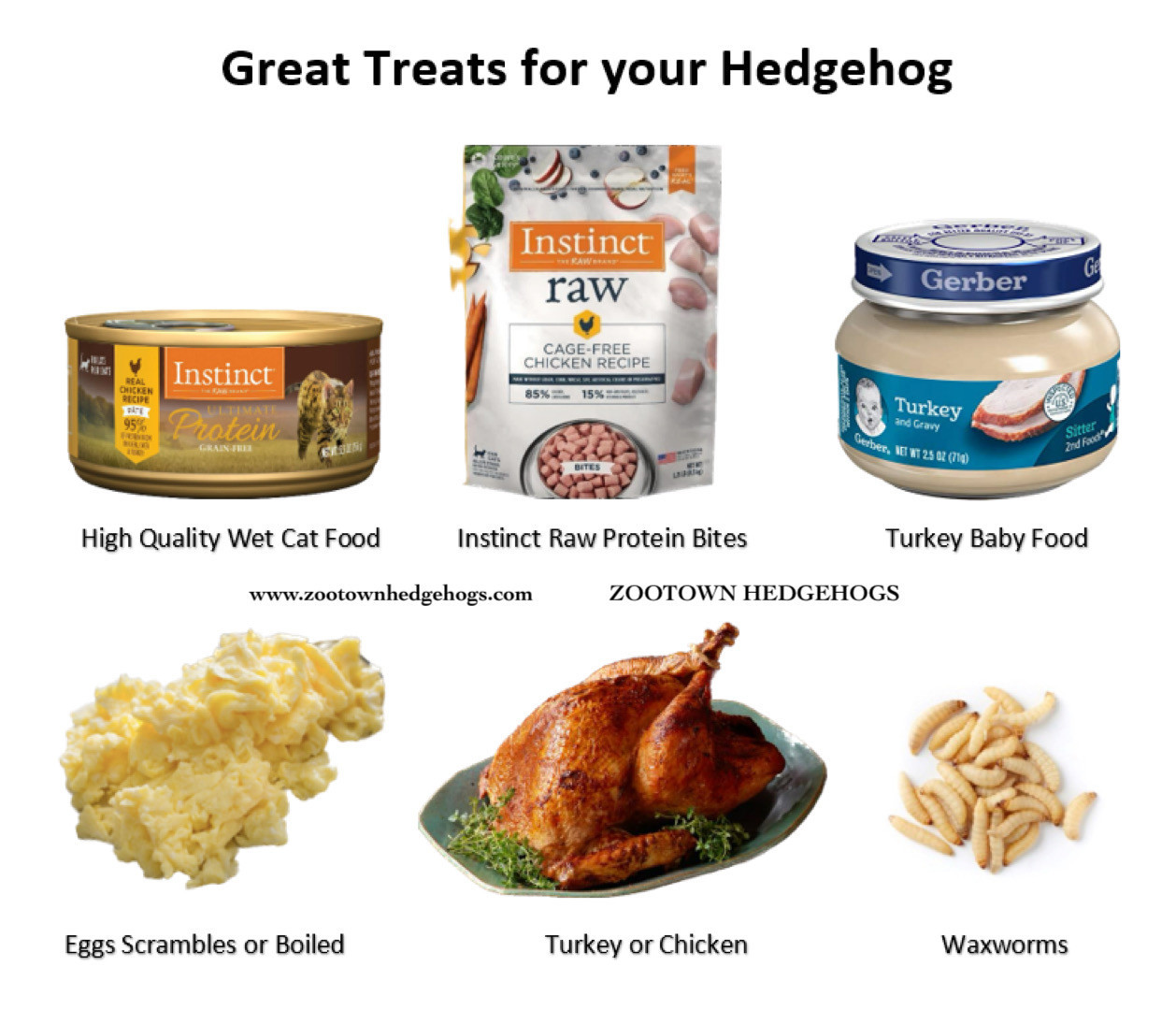
In addition to high-quality cat food, hedgehogs require insects—such as mealworms—as part of their daily diet. Research published in the Journal of Nutrition shows that hedgehogs have the enzymatic ability to digest chitin, the material found in insect exoskeletons, and use it as a dietary fiber source. However, hedgehogs do not digest cellulose (plant matter) efficiently.
Dietary fiber is essential for proper fat and protein metabolism. For this reason, it is important to provide at least 1 teaspoon daily of fresh or freeze-dried mealworms or other appropriate insects.
🚫 DO NOT FEED FRUITS OR VEGETABLES
Hedgehogs cannot efficiently digest plant matter. Feeding fruits or vegetables—especially to African Pygmy Hedgehogs—can be dangerous and potentially fatal.
A breeder recently documented a necropsy in which a hedgehog died after consuming strawberries. The seeds became lodged in the small intestine, cut off blood supply, and resulted in death.
For your hedgehog’s safety, never feed:
Fruits
Vegetables
Plant-based foods of any kind
⚠️ Health Guarantee Notice
Feeding any of the following will VOID the health guarantee:
Fruits or vegetables
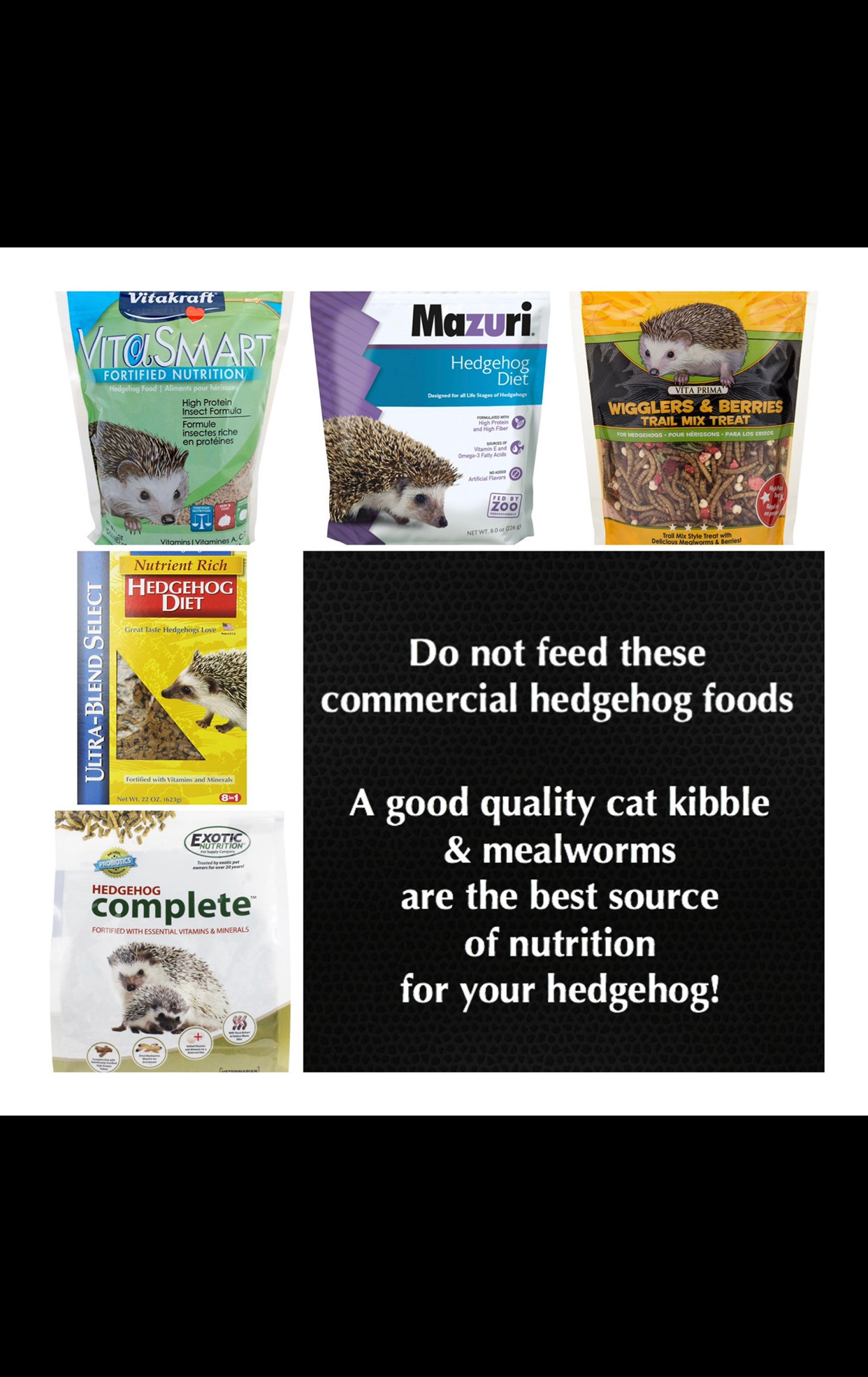
Commercially prepared hedgehog food
Any food containing peas or pea fiber within the first 8 ingredients
Why Cat Food Is Necessary
While hedgehogs are insectivores in the wild, most farm-raised insects—whether live or dried—are nutritionally incomplete due to their growing conditions. Even when insects are gut-loaded, it is difficult to ensure a consistently balanced diet.
The primary purpose of mealworms in captivity is to provide chitin for dietary fiber—not complete nutrition.
A high-quality, pea-free cat food supplies the essential proteins, fats, vitamins, and minerals that hedgehogs require for long-term health. This is especially important because mealworms are naturally high in phosphorus. Without proper dietary balance, the calcium-to-phosphorus ratio can shift, increasing the risk of bone disease and kidney problems.
High-quality dry cat food can be a suitable staple diet for pet hedgehogs when chosen carefully. The key is selecting a high-protein, low-fat, grain-based food that is free of peas, lentils, chickpeas, and other legumes, which are not recommended for hedgehogs.
Our Recommended Option
We currently feed our hedgehogs Costco’s Kirkland Super Premium Maintenance Cat Food (Chicken & Rice).
Why we like it:
High protein with moderate fat levels suitable for hedgehogs
Chicken as the primary protein source
No peas or legumes
Excellent value for the price
The only downside is the large bag size. A 25-pound bag will go rancid long before a single hedgehog can finish it.
How to Store It Properly
If you don’t have a cat to share the food with, we recommend:
Removing 5–6 pounds of kibble and storing it in an airtight, sealed container
Donating the remaining food to a local animal shelter or rescue
This ensures your hedgehog always has fresh food while preventing waste.
Cost Comparison
Costco Kirkland: ~$20 for 25 lbs
Most premium cat foods: ~$15 for only 3 lbs
If you have a Costco membership, this option offers outstanding value and quality — and donating the excess helps animals in need.
Other Suitable Options
If you don’t have a Costco membership, there are several other pea-free and legume-free cat food options available. Always check ingredient lists carefully and prioritize:
Meat as the first ingredient
No peas, lentils, or chickpeas
Moderate fat content
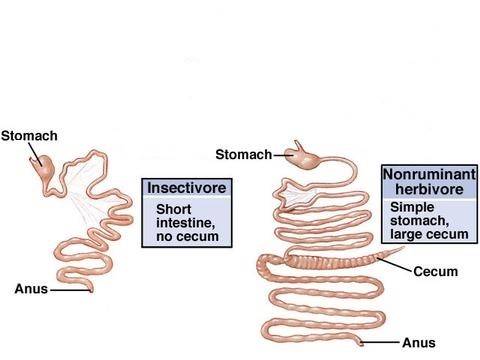
Hedgehogs are insectivores, not herbivores or omnivores. Their digestive system evolved specifically to process insects, and it lacks the anatomical features required to safely digest plant matter.
No Cecum = No Plant Digestion
Hedgehogs do not have a cecum, a pouch located at the beginning of the large intestine that houses bacteria responsible for breaking down cellulose (plant fiber).
Herbivores and many plant-eating animals have a large, well-developed cecum, allowing them to extract nutrients from fruits, vegetables, and grasses. Hedgehogs never evolved this structure because plants were never meant to be a significant part of their diet.
Nature is very clear: if hedgehogs were designed to eat fruits and vegetables as a source of fiber, they would have evolved a cecum to support that diet.
Increased Risk of Digestive Issues
Hedgehogs are also missing a valve that prevents food from moving backward from the large intestine into the small intestine. When undigested plant matter is introduced:
Food can move back and forth between intestinal sections
This can cause gas, abdominal pain, diarrhea, or impaction
In severe cases, this can become life-threatening
Fruits and vegetables are not just unnecessary — they can be dangerous.
How Hedgehogs Get Fiber Naturally
Instead of plant fiber, hedgehogs rely on chitin, a structural fiber found in the exoskeletons of insects.
Hedgehogs produce a specialized digestive enzyme called chitinase, which allows them to:
Break down insect exoskeletons
Extract fiber safely and efficiently
Maintain proper gut health without plant material
A high-quality, meat-based cat food is the safest and most practical staple diet for pet hedgehogs.
Our Recommended Food
We currently feed Kirkland Super Premium Maintenance Cat Food (Chicken & Rice) from Costco.
Why this food works well:
Meat-based protein
No peas or legumes
Appropriate fat and protein levels
Excellent value
Costco’s bag is large (25 lb), and a single hedgehog will never finish it before it goes rancid. We recommend:
Remove 5–6 pounds for your hedgehog
Store it in an airtight container
Donate the remaining food to a local animal shelter
At around $20 for 25 pounds, it is far more economical than specialty brands costing $15 for just 3 pounds — and shelters benefit from the donation.
If You Don’t Have a Costco Membership
Look for pea- and legume-free cat foods with:
Animal protein as the first ingredient
No peas, lentils, chickpeas, or soy
Moderate fat (10–15%)
Protein around 30–35%
Avoid grain-free formulas that rely heavily on legumes, as these are inappropriate for hedgehogs.
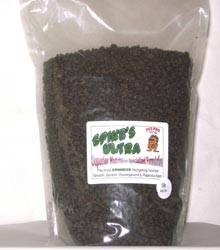
Spike's Ultra can be ordered directly from
Mention my name
Crysta Pagniano
for a 10% discount.
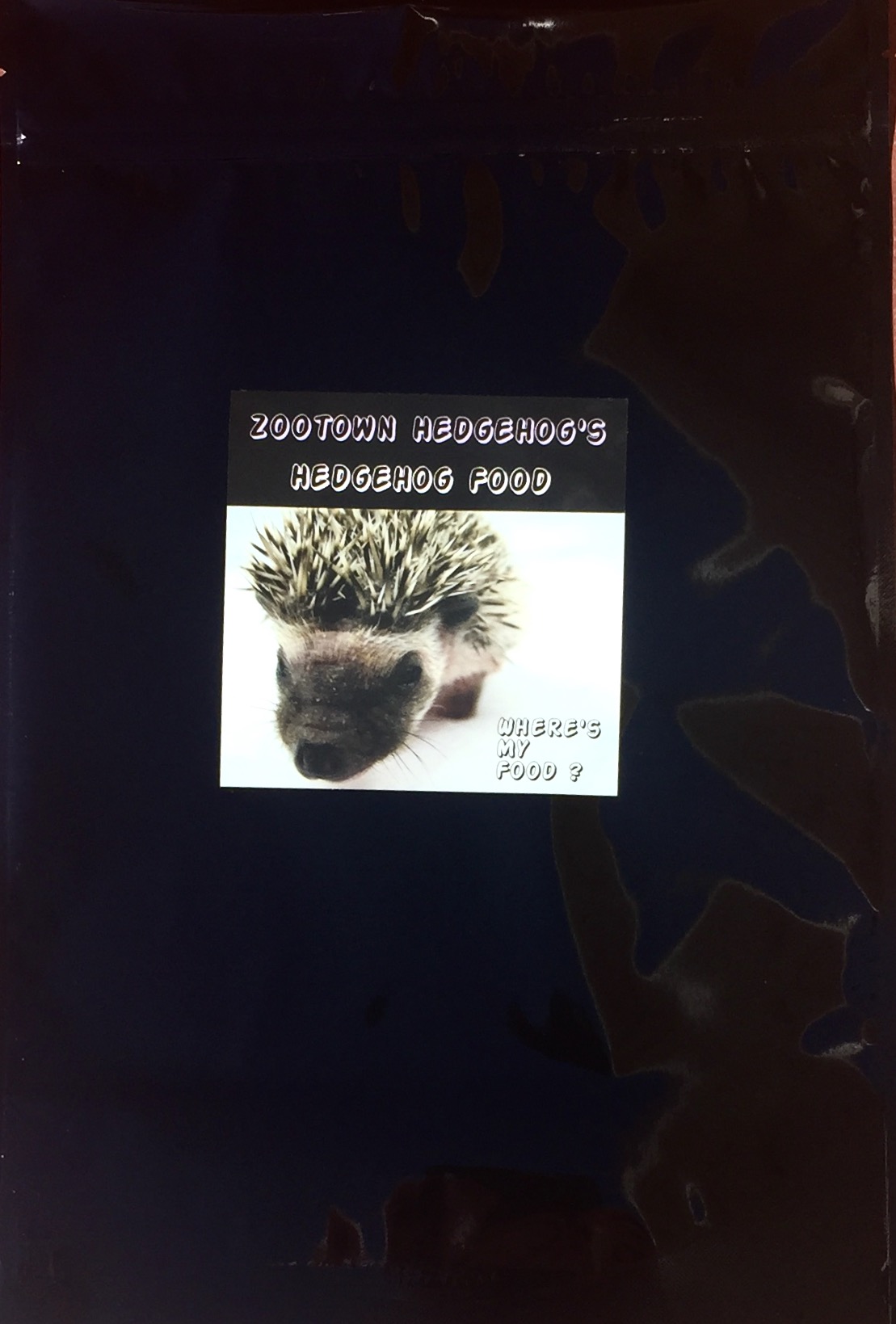
3 lb bag of Hedgehog mix Food